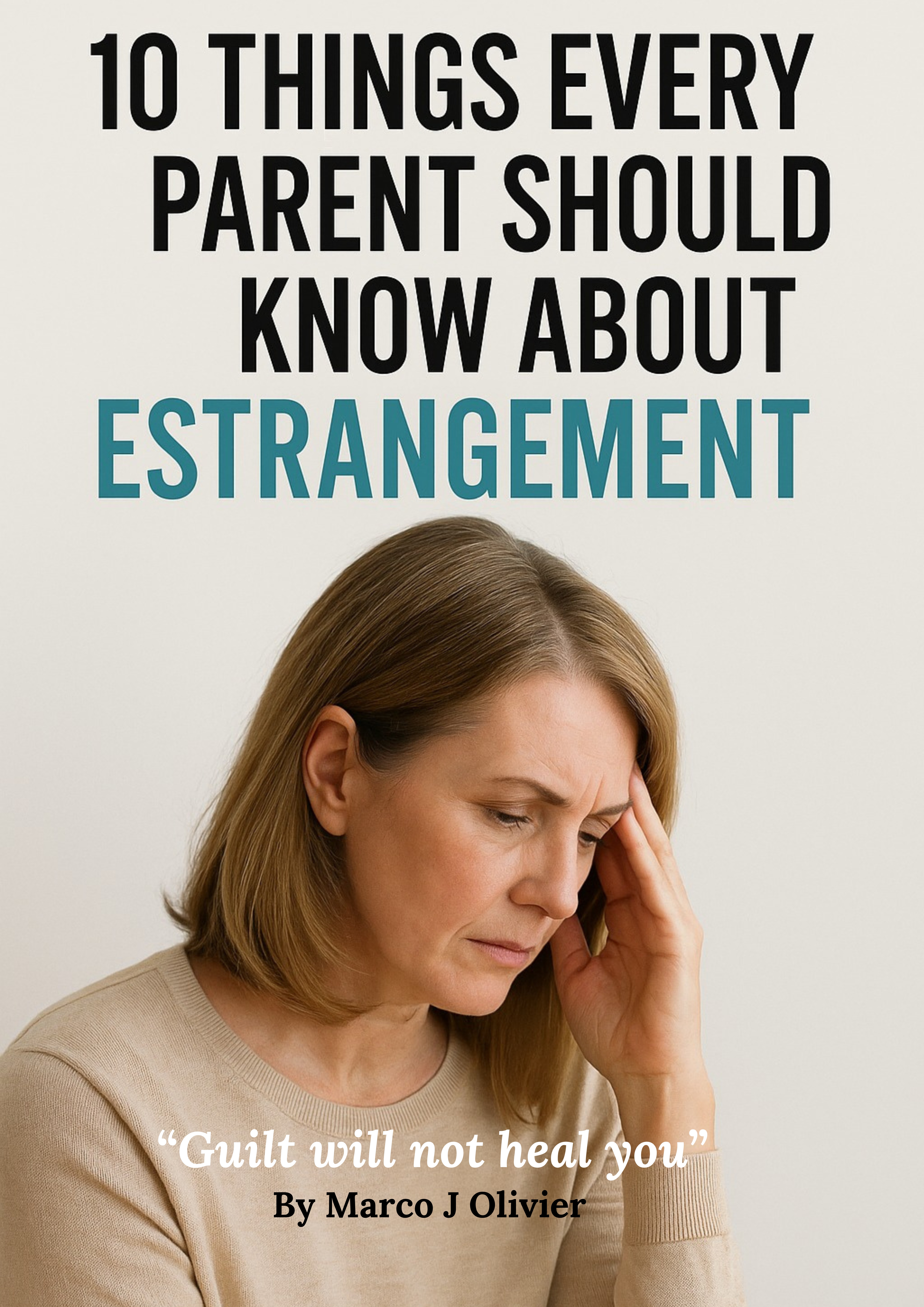
Signs Your Adult Child Is Pulling Away From You
One of the most painful experiences a parent can face is feeling that their adult child is slowly pulling away. Often this distancing does not happen suddenly. It usually develops gradually over time through subtle changes in communication, behavior, and emotional closeness.
Understanding the early signs of emotional distancing can help parents respond with greater awareness and compassion, rather than confusion or panic.
1. Communication Becomes Less Frequent
One of the first signs is a noticeable reduction in communication. Phone calls become rare. Messages are shorter. Replies take longer. Conversations may feel more formal or distant than they once did.
2. Personal Topics Are Avoided
An adult child who is pulling away may stop sharing details about their life. They might avoid deeper conversations about work, relationships, or personal struggles. Communication becomes surface level.
3. Family Visits Become Less Common
Visits may become less frequent, shorter, or repeatedly postponed. Invitations to family gatherings might be declined more often than before.
4. Emotional Distance Appears
Even when contact still exists, the emotional warmth may feel reduced. Conversations may feel polite but guarded, as if a protective wall has formed.
5. Conflict Remains Unresolved
Sometimes distancing begins after a disagreement or misunderstanding that was never properly addressed. Over time unresolved tension can create emotional separation.
How Parents Can Respond
Recognizing these signs does not mean estrangement is inevitable. In many cases distance can still be repaired through humility, patience, and a willingness to listen without defensiveness.
Rather than reacting with anger or pressure, it can be more helpful to approach the situation with curiosity and empathy. Understanding your child's perspective may open the door to rebuilding trust.
Learning More About Family Estrangement
Family estrangement is a complex emotional experience affecting millions of families around the world. If you are navigating this painful situation, you are not alone.
You can read a deeper explanation here:
Understanding Family Estrangement (Full Guide)